This is me.Not a highlight reel.
Neurodivergence. Ex-counsellor turned lawyer headhunter. Hockey. Music. Fatherhood. And somehow, a career I was built for all along.
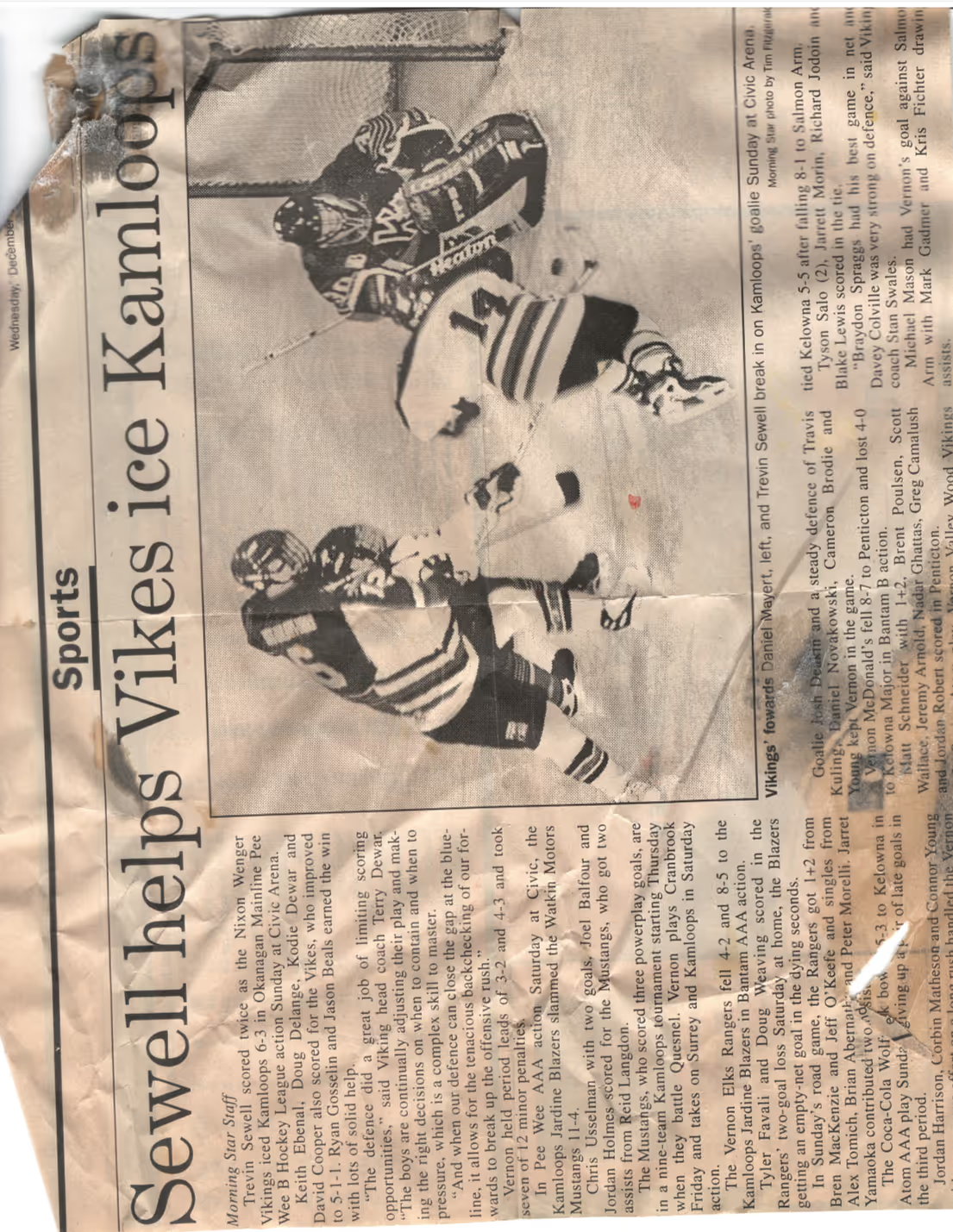
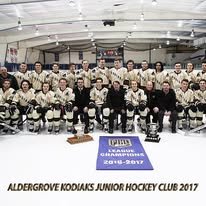
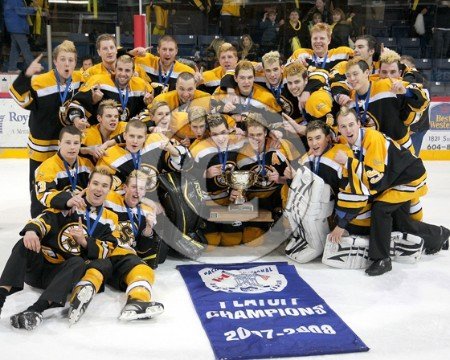
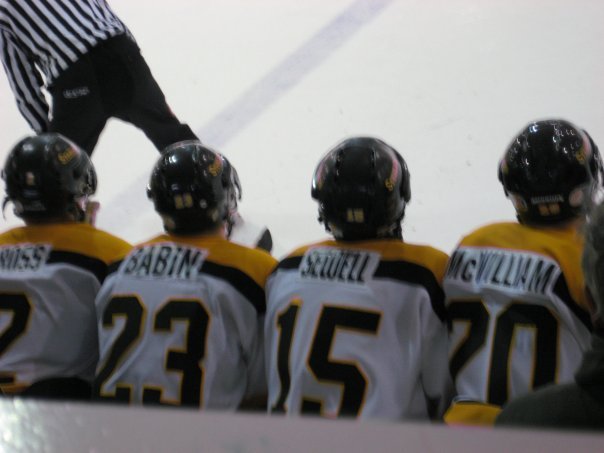
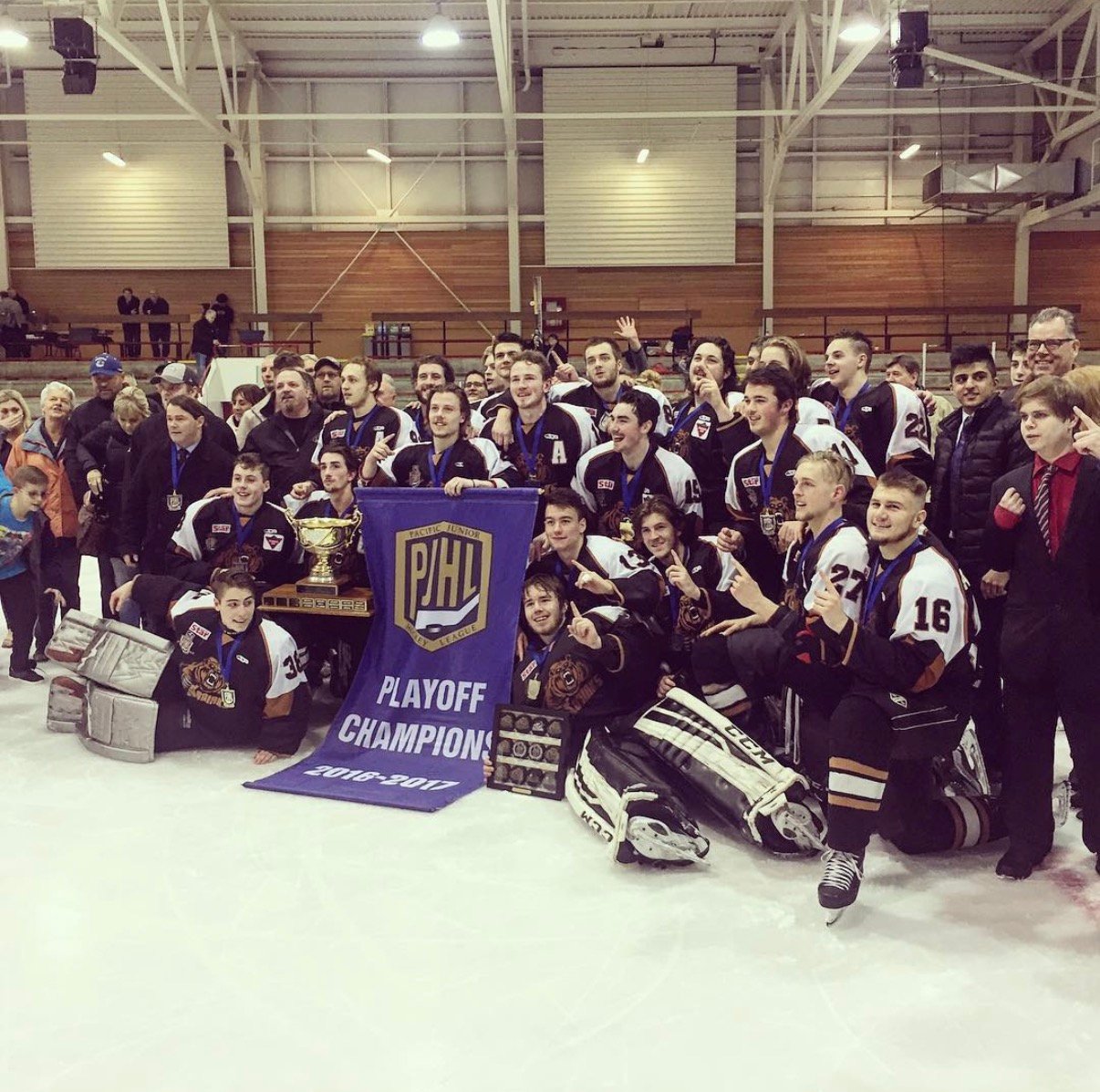
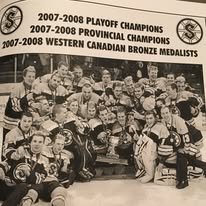
Junior Hockey & Start of University
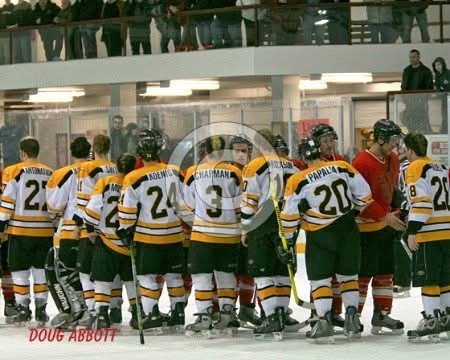
I graduated high school and stepped into university, unsure of what I wanted but following the path I thought I was supposed to. I was deep in junior hockey, speed, discipline, relentless competition. Balancing the rink, school, and a growing social life was not easy. That is when the partying began.
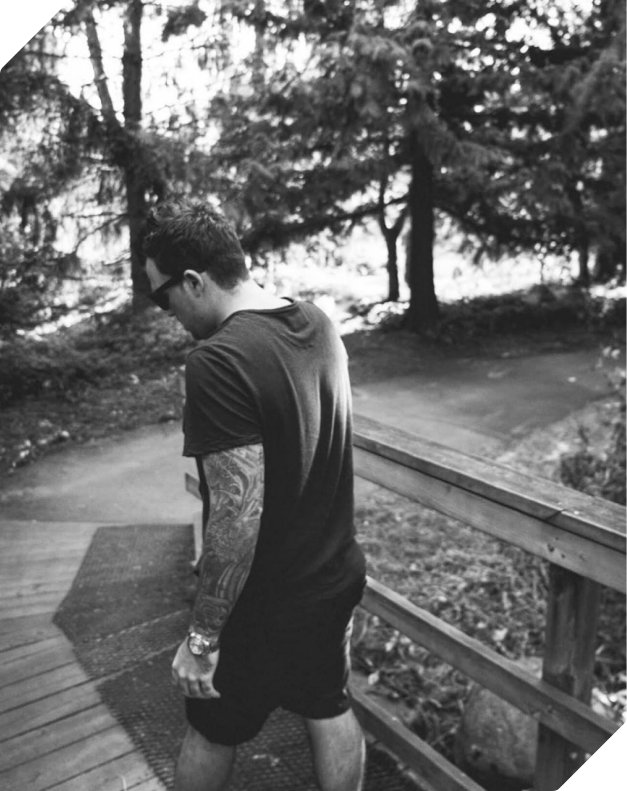
Early Career & Life Shifts
My competitive hockey days were behind me. I was offered a partial scholarship to play at the University of Utah but chose partying instead. I bounced through blue-collar jobs before landing at the City of Abbotsford as a Utility Worker. Beneath the surface, things were unravelling. On paper I looked functional. Inside I was lost.
Alcoholism and Recovery
Total chaos. Failed relationships. Broken friendships. I was losing everything, including myself. What followed was slow, unglamorous, and real. Healing is not erasing the past, it is learning to live with it.
New Beginnings
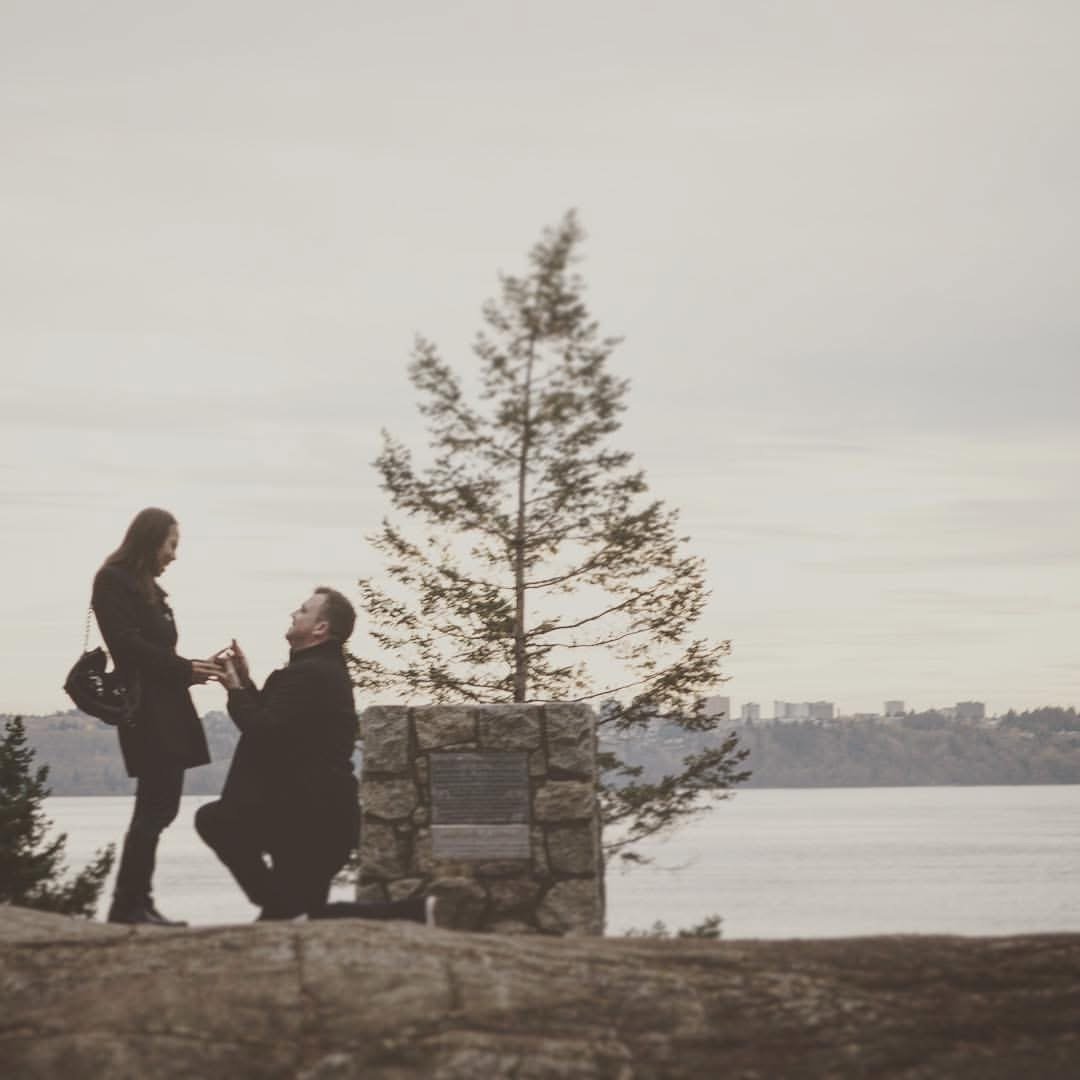
This was the start of rebuilding from the ground up. In late 2015 I met my now wife at LAX, sober, present, and without the mask. In 2016 I finished my schooling and founded Balance Mind Recovery (BMR), a counselling practice for youth and young adults facing mental health and addiction struggles.
Career Pivot & Family Expansion
By the end of 2018, something felt off. I had built something real in counselling but there was still more to uncover - in the work and in myself. Then I met Warren Smith. One conversation changed the direction of everything. Legal recruitment. I had never considered it. Then I could not stop thinking about it. I studied late into the night - practice areas, firm structures, markets, the language of a world I was not yet part of. It was not starting over. It was starting with more than I had ever brought to anything before.
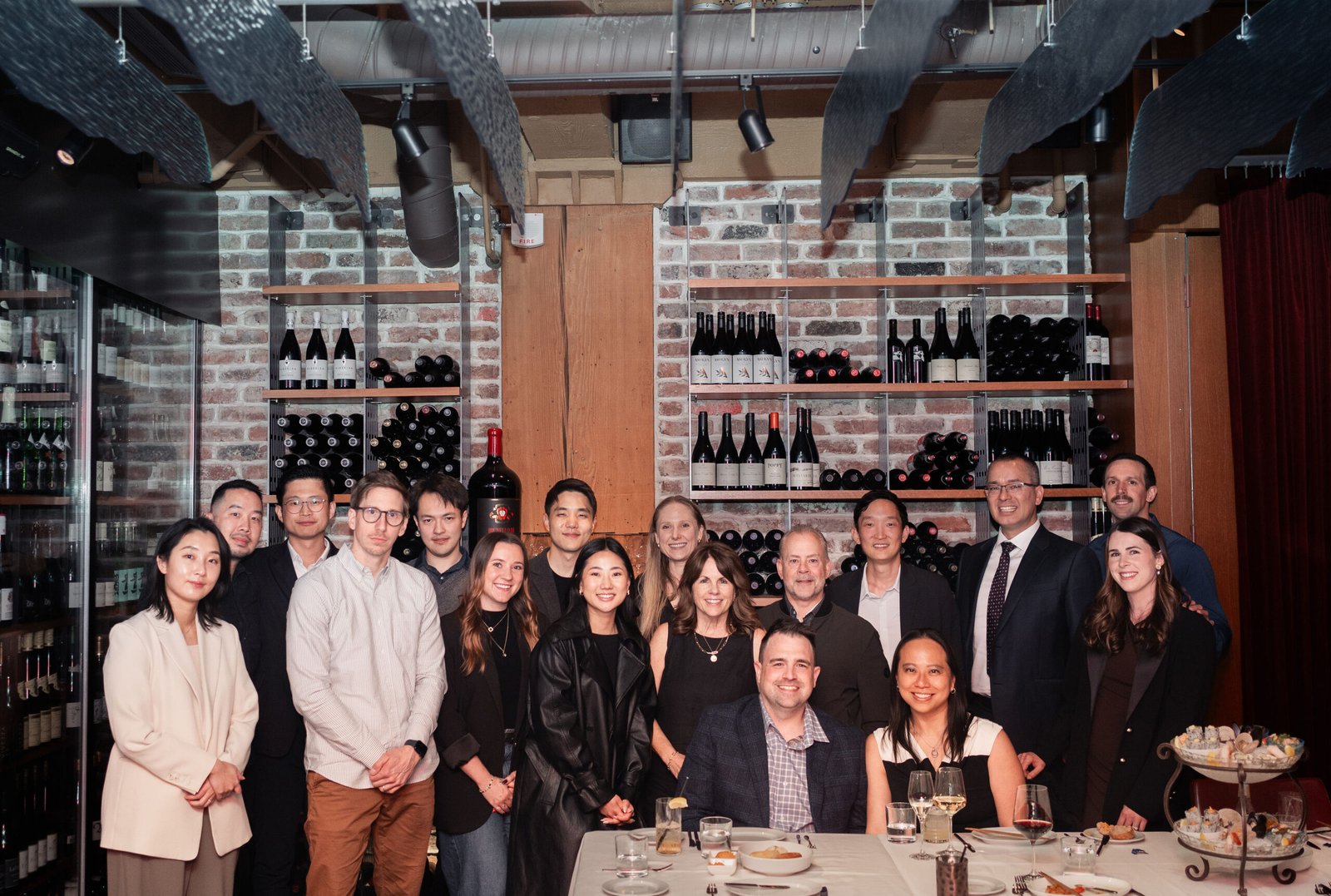
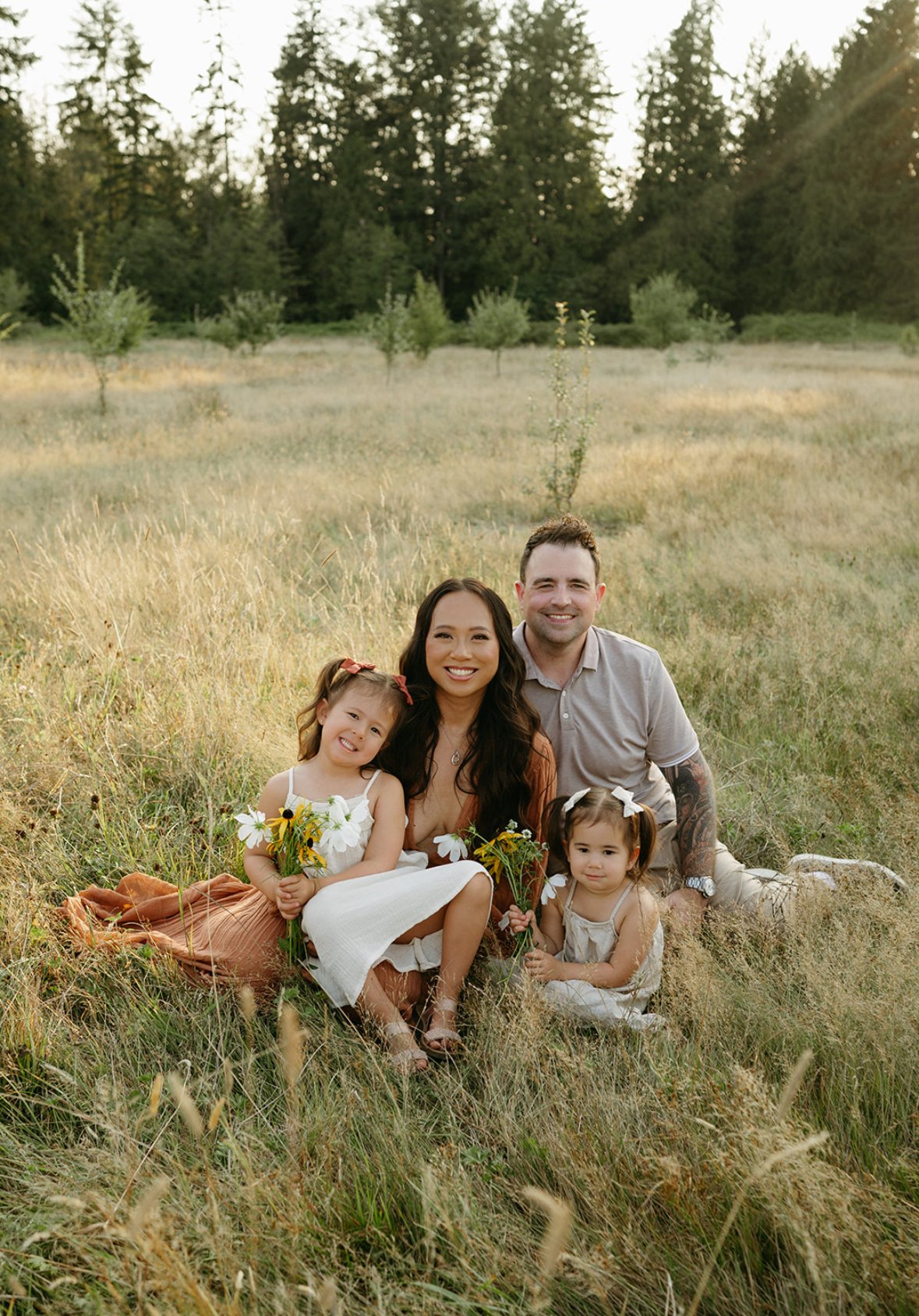
Growth, Music, Diagnosis, Life Balance
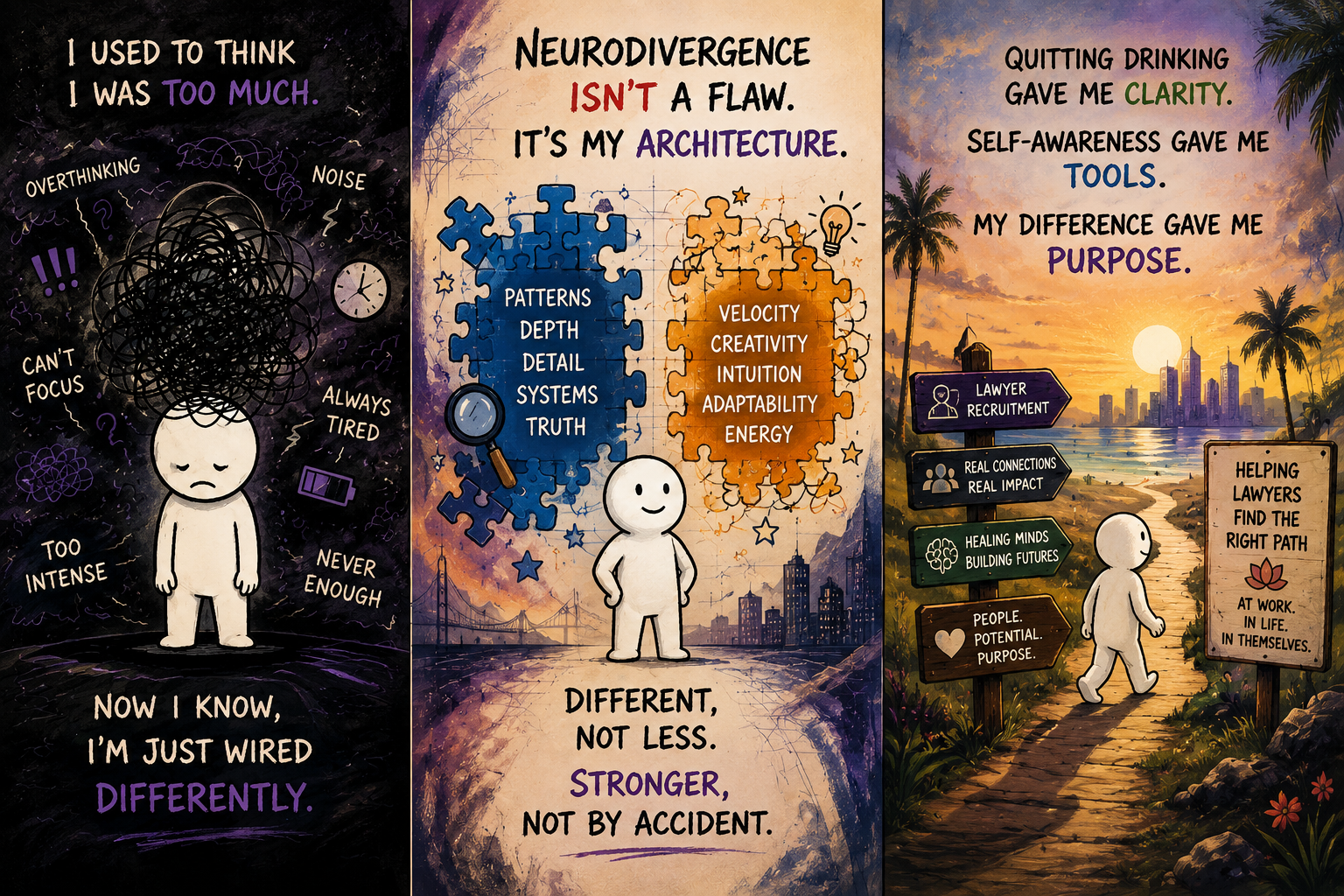
In 2022 music re-entered my life in a profound way, a way to give shape to emotions I could not always put into words. That same year I received a diagnosis that made everything click: AuDHD. Van and I welcomed our second daughter and our family of four is thriving.
The hardest decision I have ever made. And the best.
A standard night for me was a 26-ounce whiskey followed by 6 to 8 beers. Every night. Seven days a week. I was not drinking to unwind, I was drinking so I did not have to think about why I feel the way I feel. My last drink was April 4, 2015. What followed was not a clean transformation. It was slow, unglamorous, and built one day at a time. Putting down the bottle did not give me a perfect life. It gave me a real one.
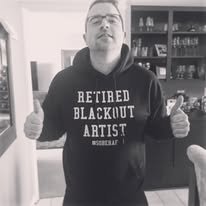
Last Drink, April 4, 2015
I was on my deathbed. That was my bottom.
Orchard Recovery Center
One day at a time. Quitting began with collapse, not clarity.
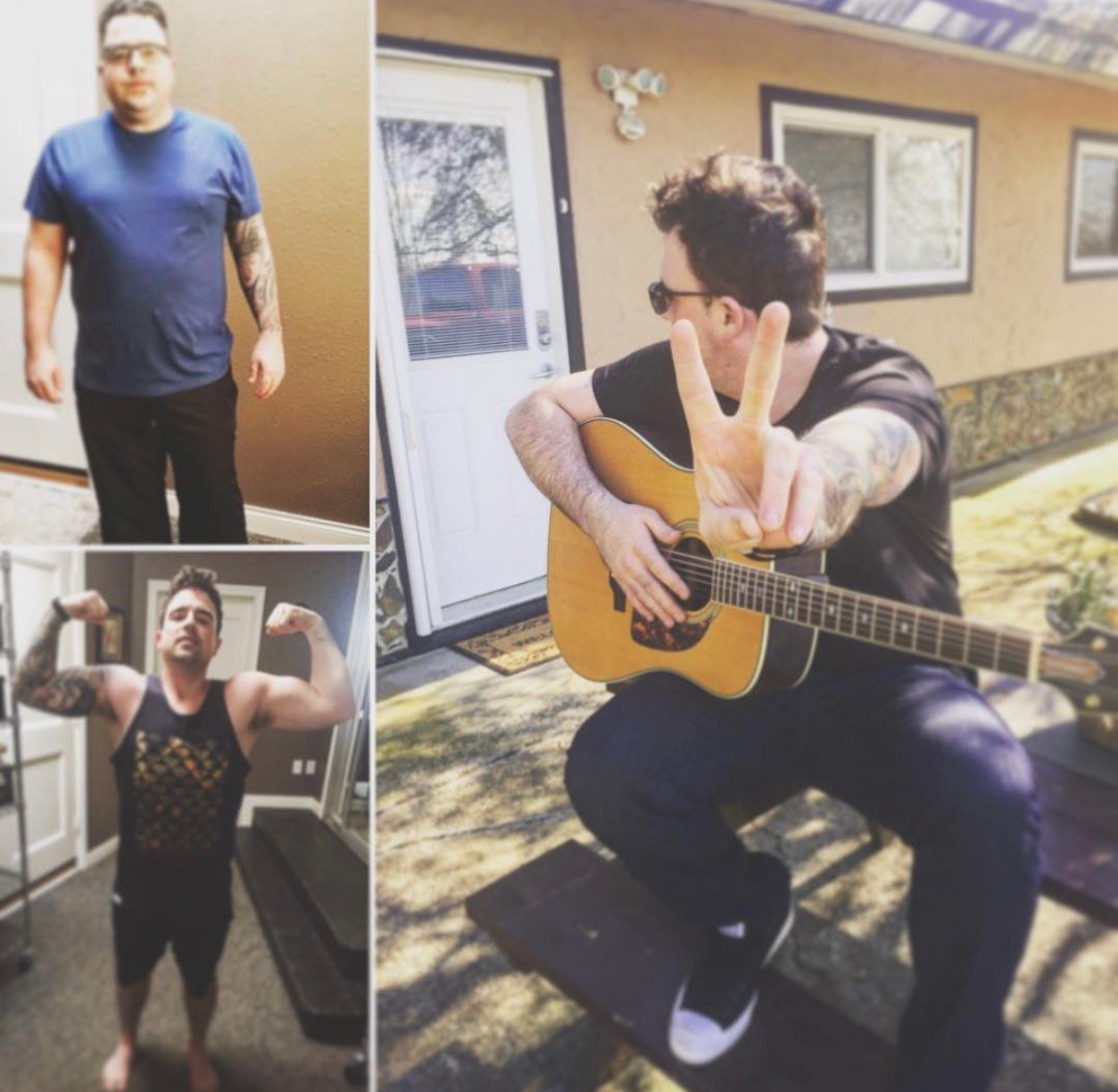
Over 100 Pounds Lost
A nervous system finally settling. A body learning to be present.
11 Years and Counting
Not on a timeline, not in a straight line. Still going.
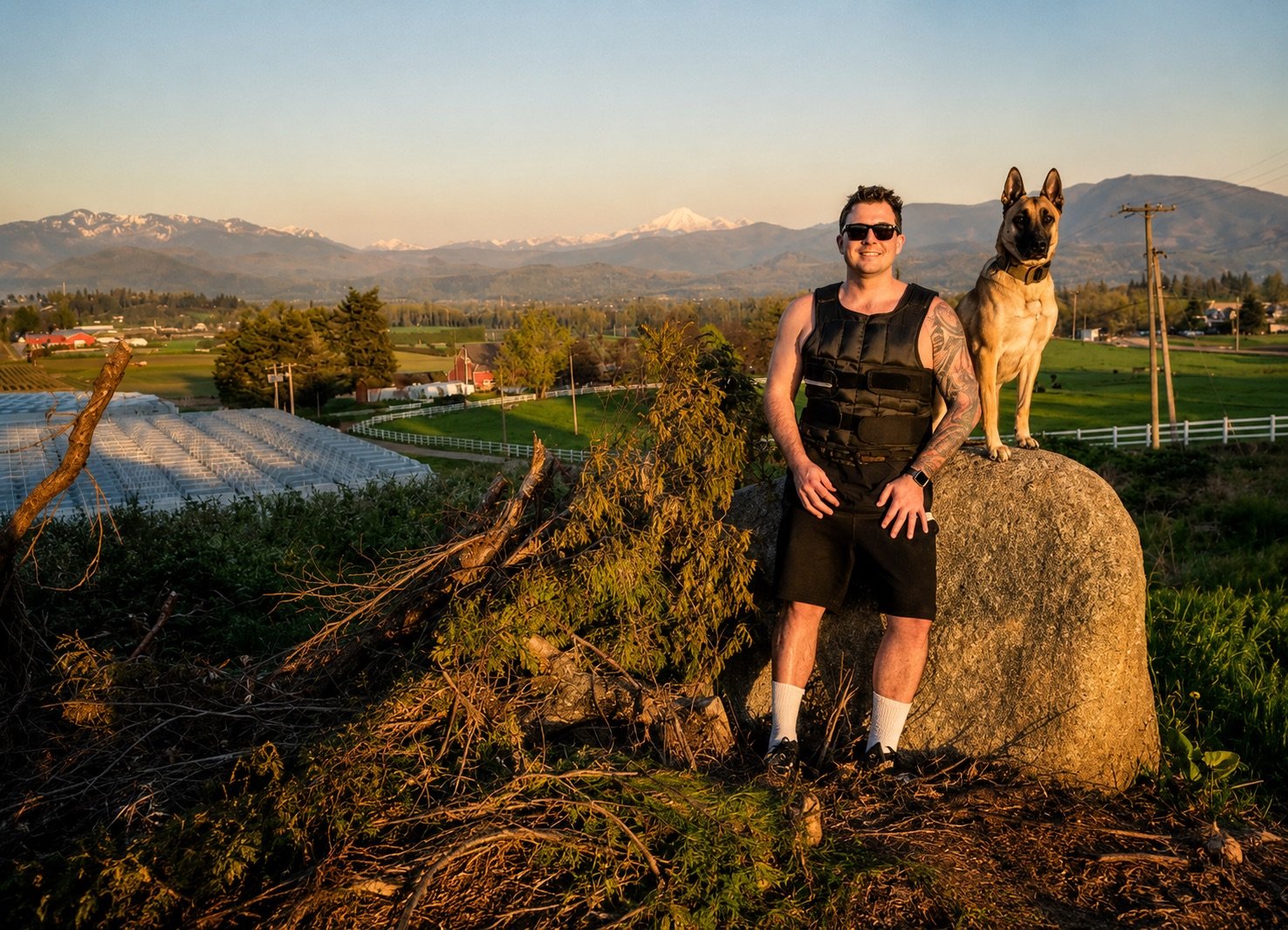
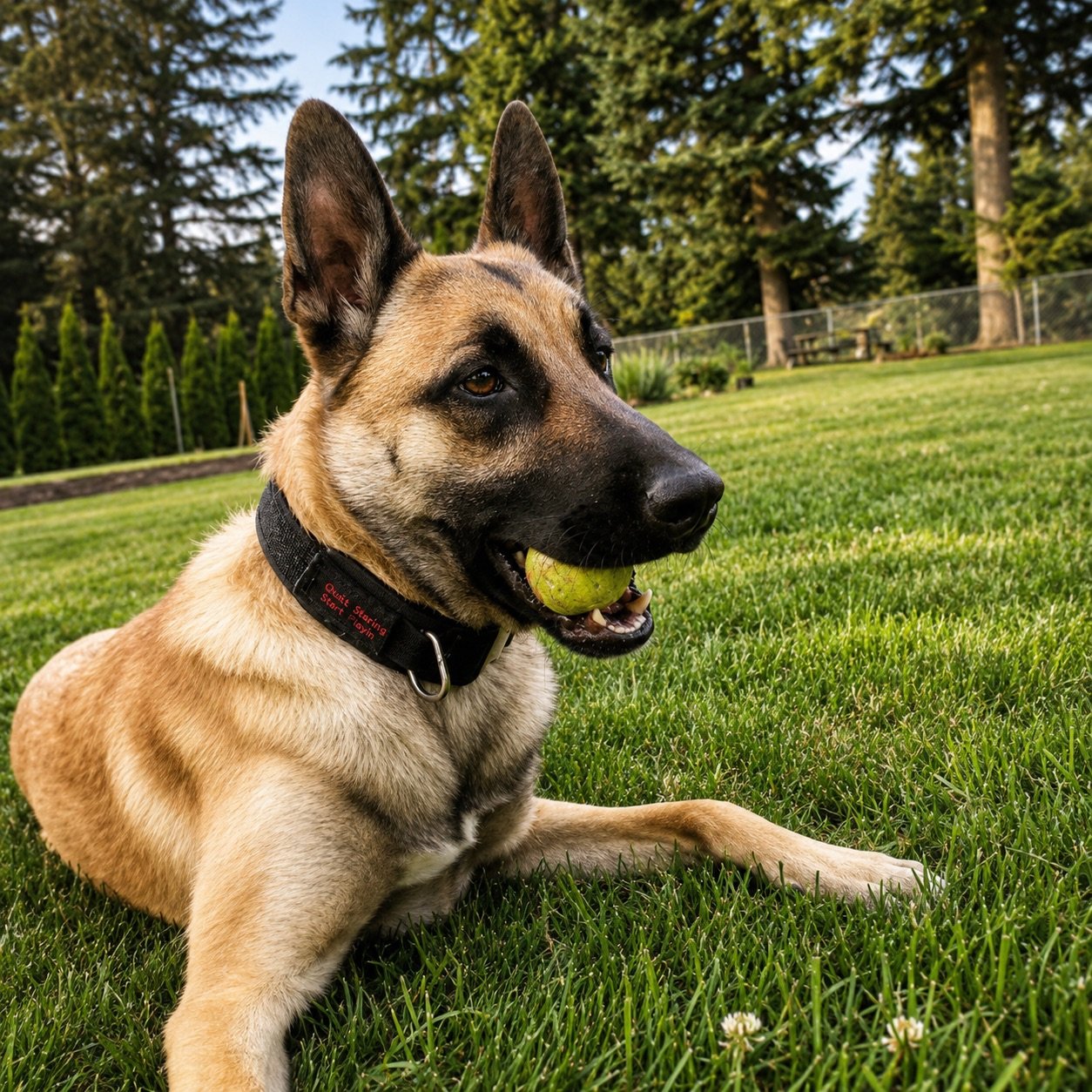
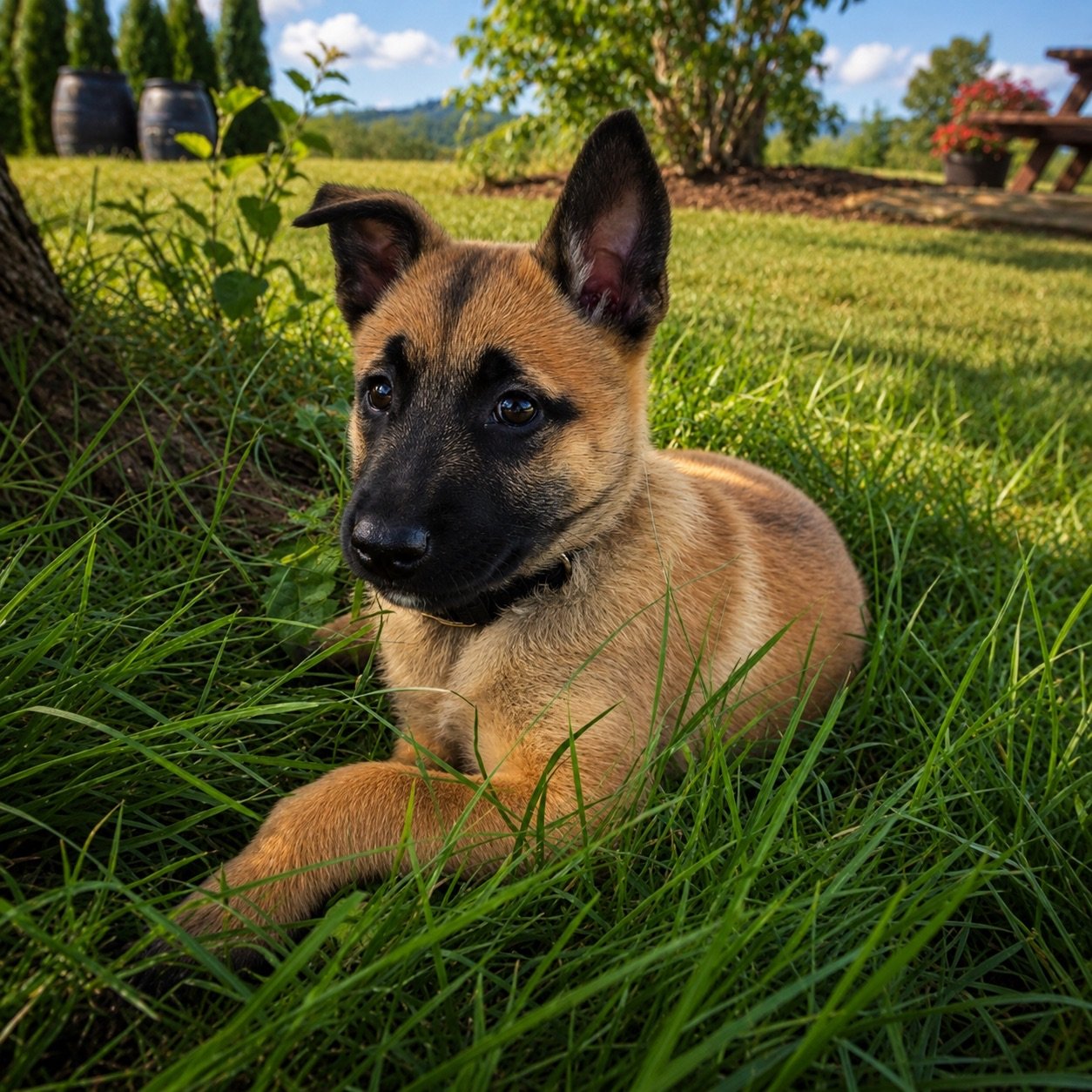
Two months in, I got a dog with no off switch.
I got Max two months after I put down the bottle in 2015. A Belgian Malinois, which meant I traded one kind of chaos for another. There is no off switch with a Belgian Malinois.
A decade later, he has taught me more about perseverance than almost anything else in my life. Show up every day. Do the work even when you do not feel like it. Keep going even when nothing about it looks easy.
When the Chaos Found Chords
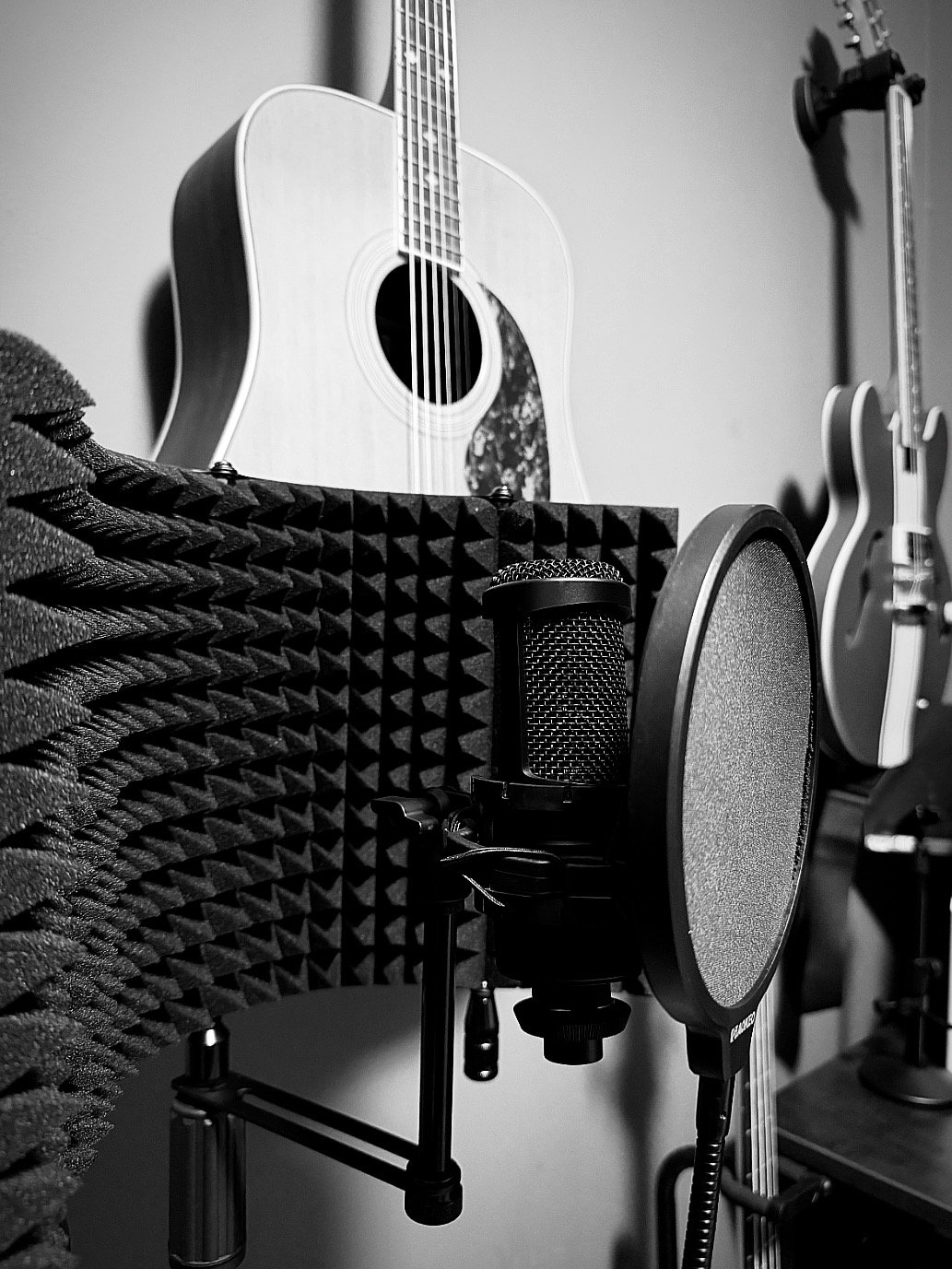
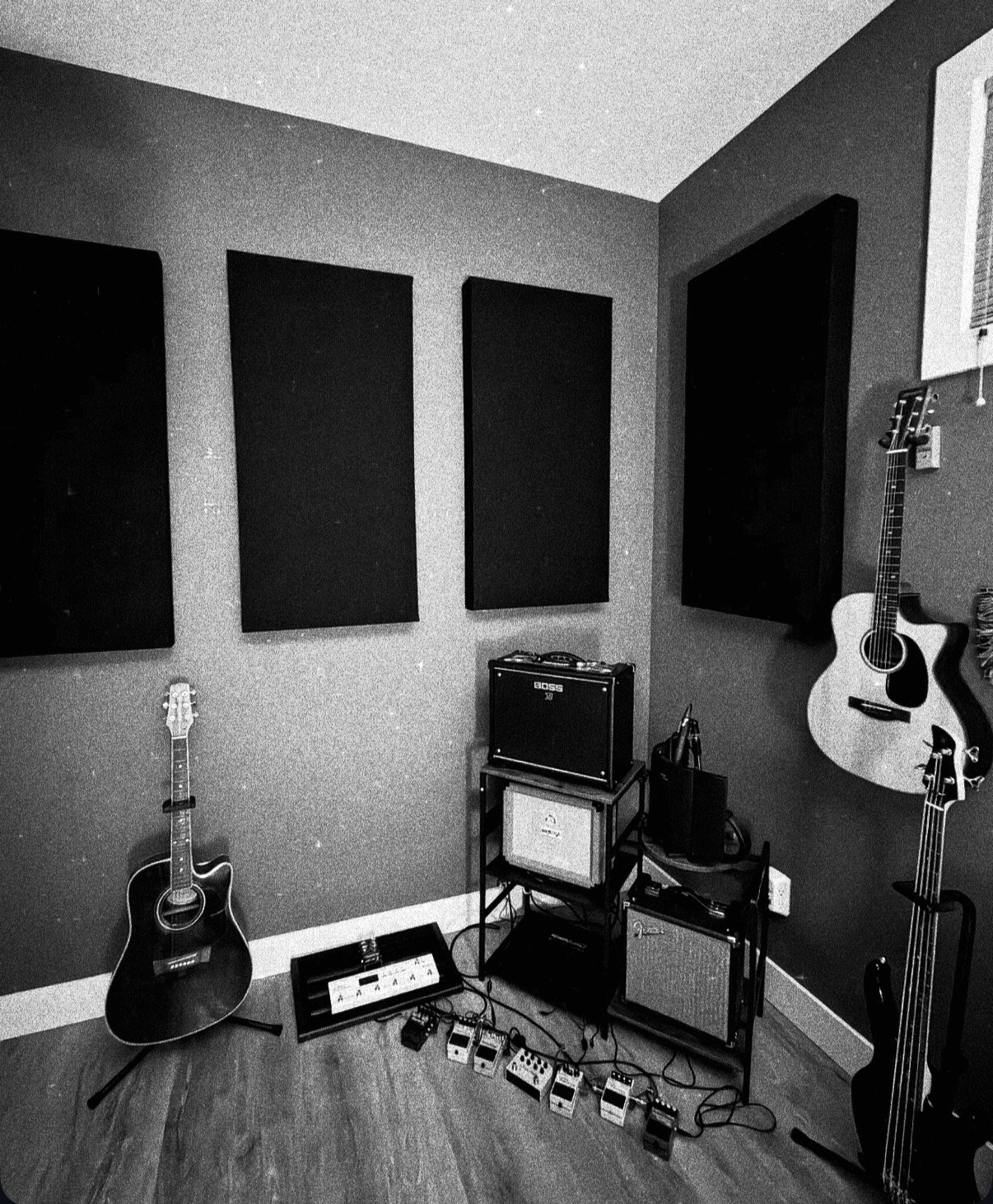
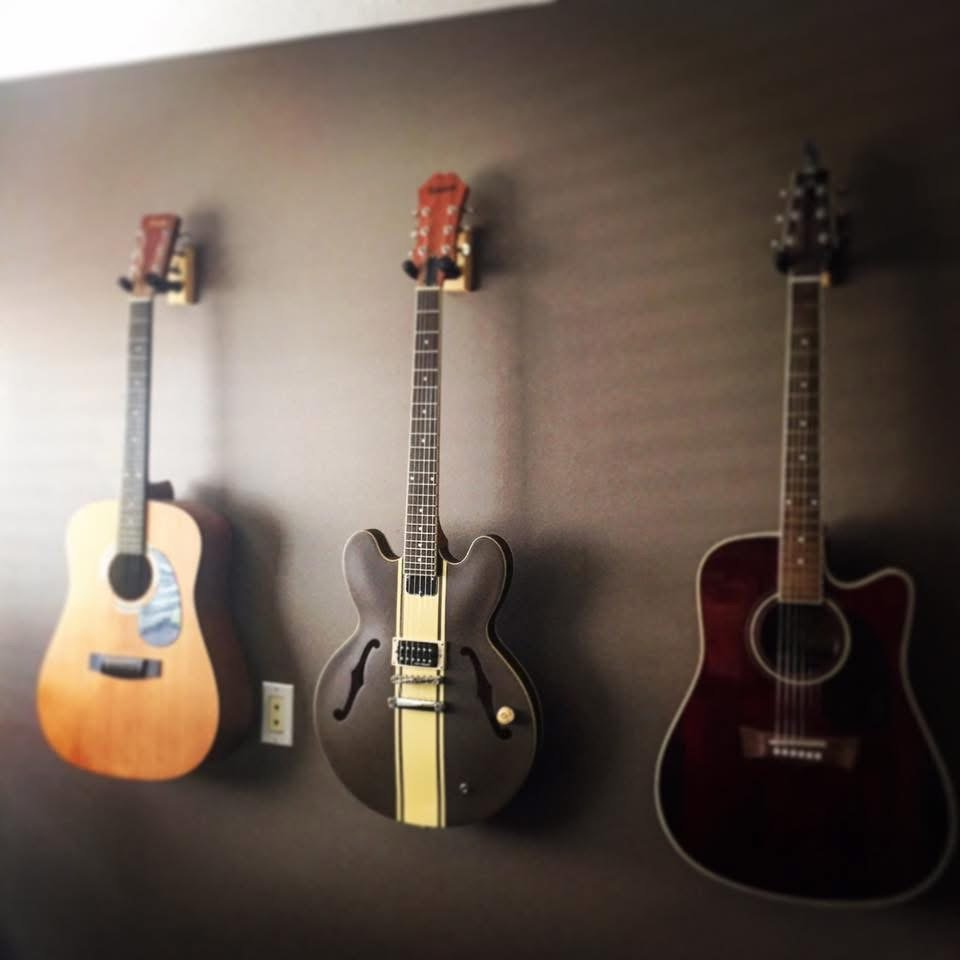
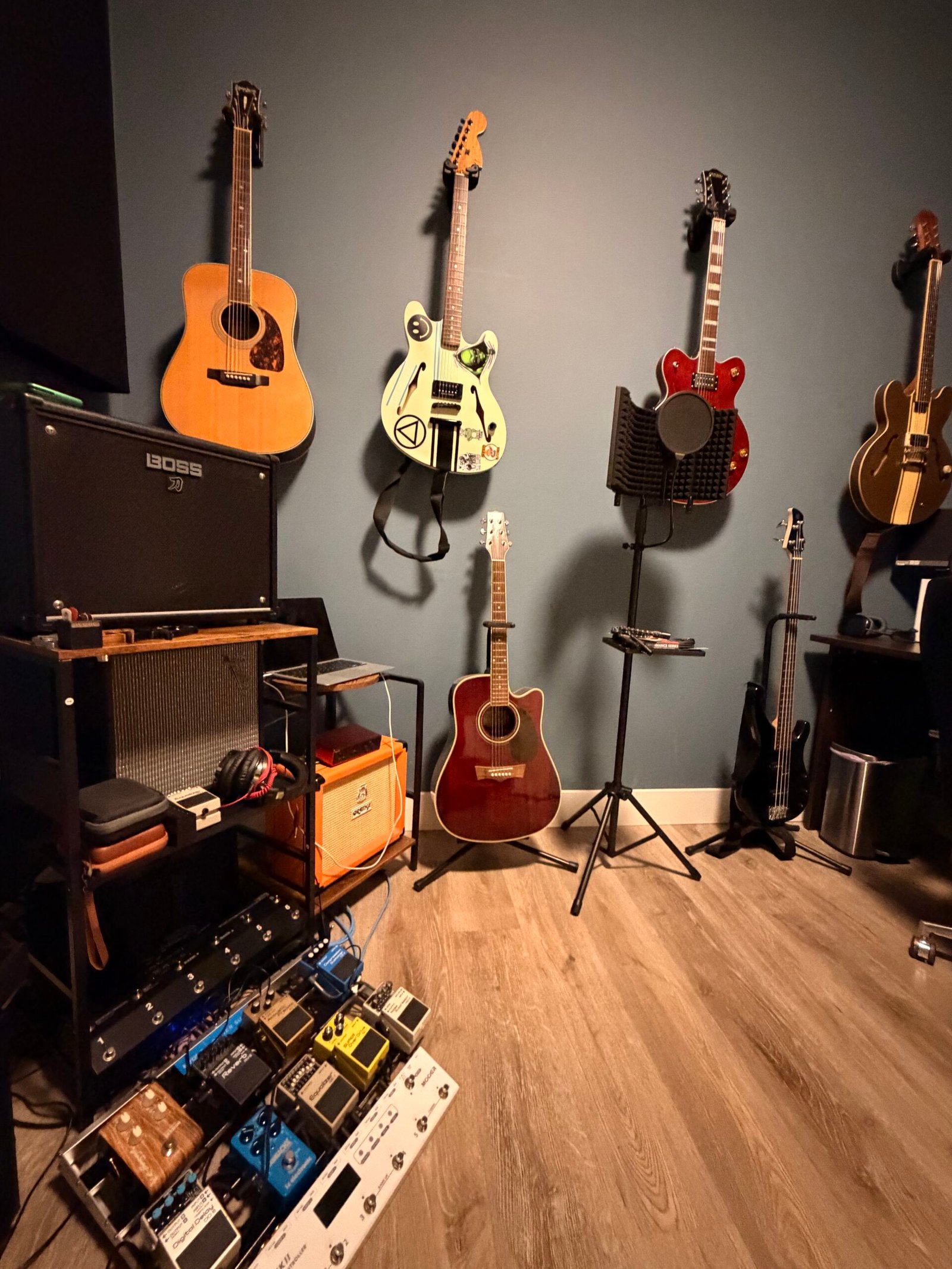
Music has always been more than background noise for me. It has been a companion and a way of navigating a world that did not always make sense. From a young age I was drawn to rhythm, raw beats, heavy riffs, music that hits you in the chest before it reaches your ears.
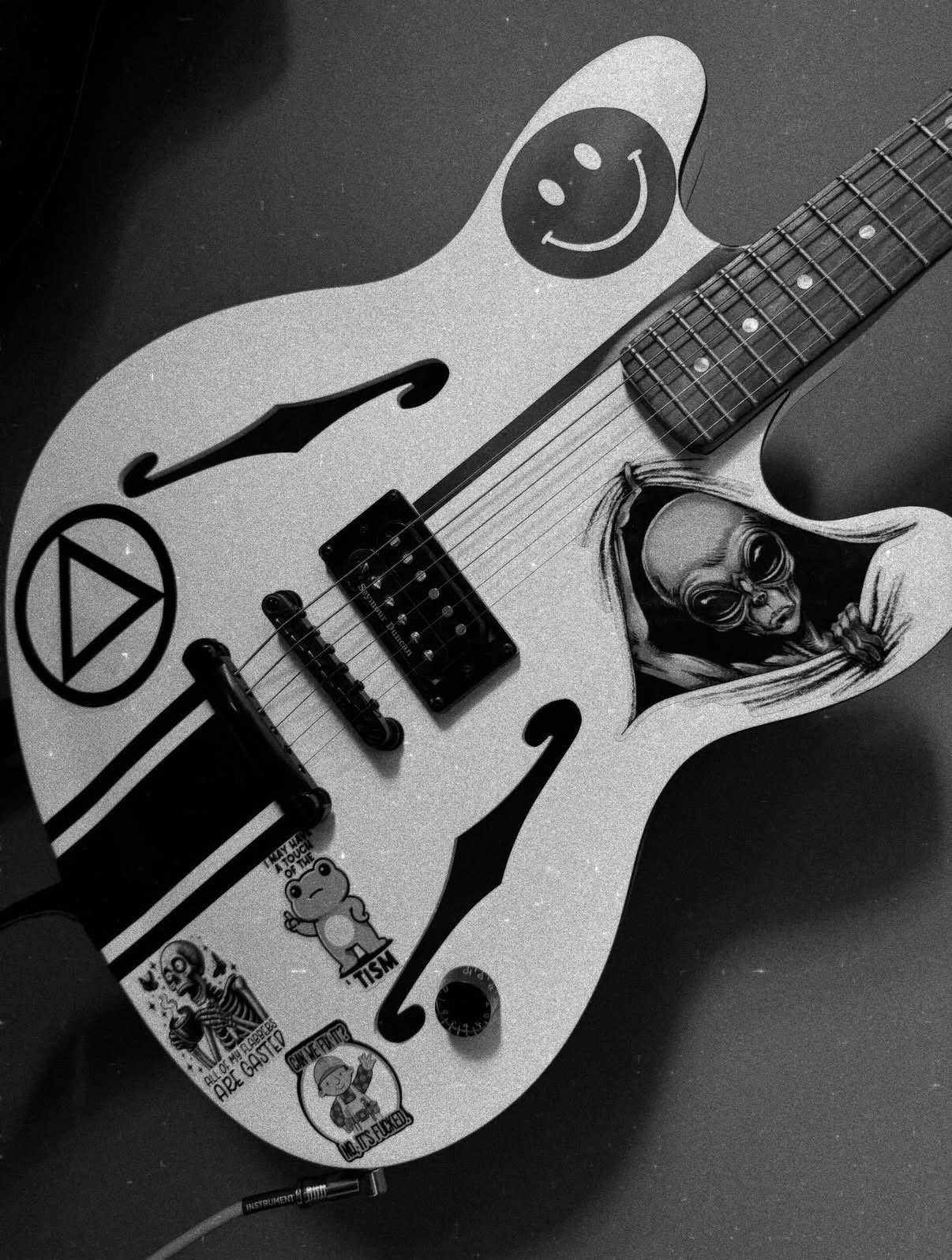
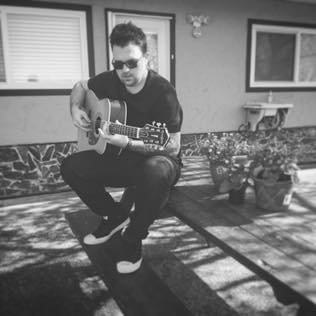
Blink-182's Untitled album lived on repeat, and I learned every Tom DeLonge riff like scripture. When I was 14, I picked up a guitar and something clicked. All that sound finally had somewhere to go. I never picked it up to master scales. I picked it up to feel something, to quiet my head, and to turn noise into something I could live with.
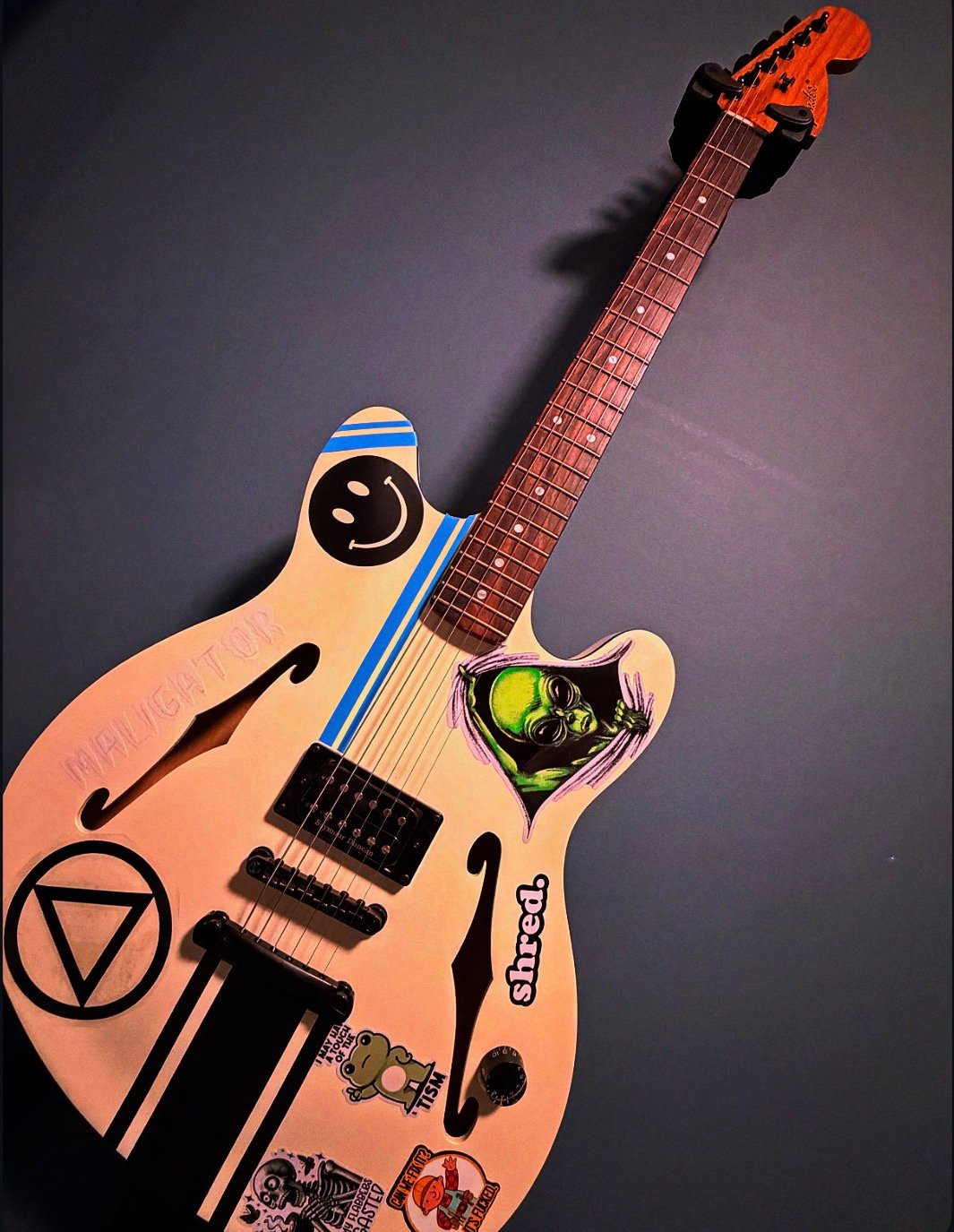
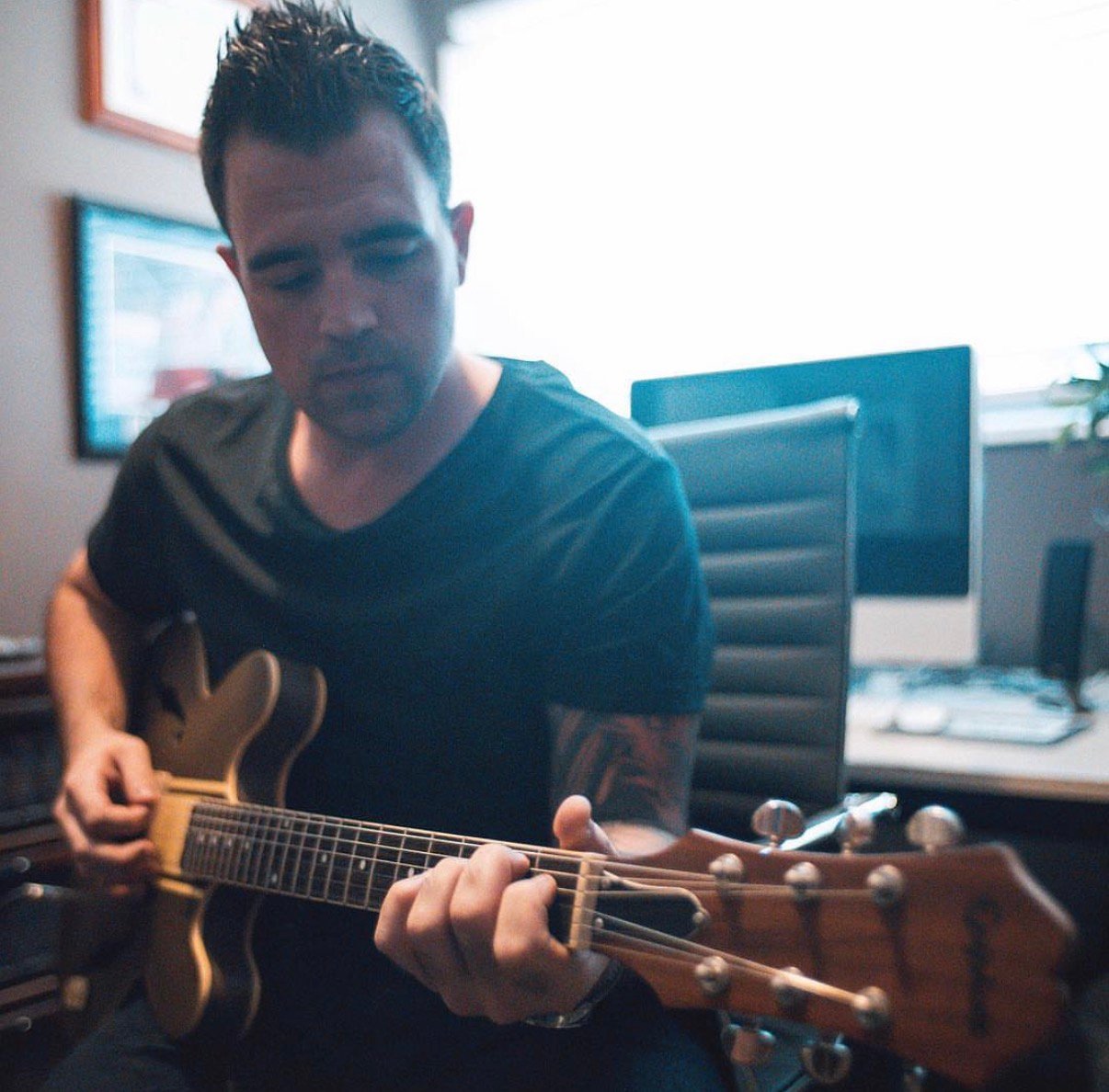
When words fail, I play.
Two tracks up so far. Raw, not studio polish, but ours. The plan is to record several more and release them as they're ready.
What you're hearing comes from lived experience: recovery, parenting, love, loss, clarity.
If you are an aspiring artist, let's jam. All music written and recorded by Trevin Sewell and Brent Grunenberg. Produced by Matt Denis.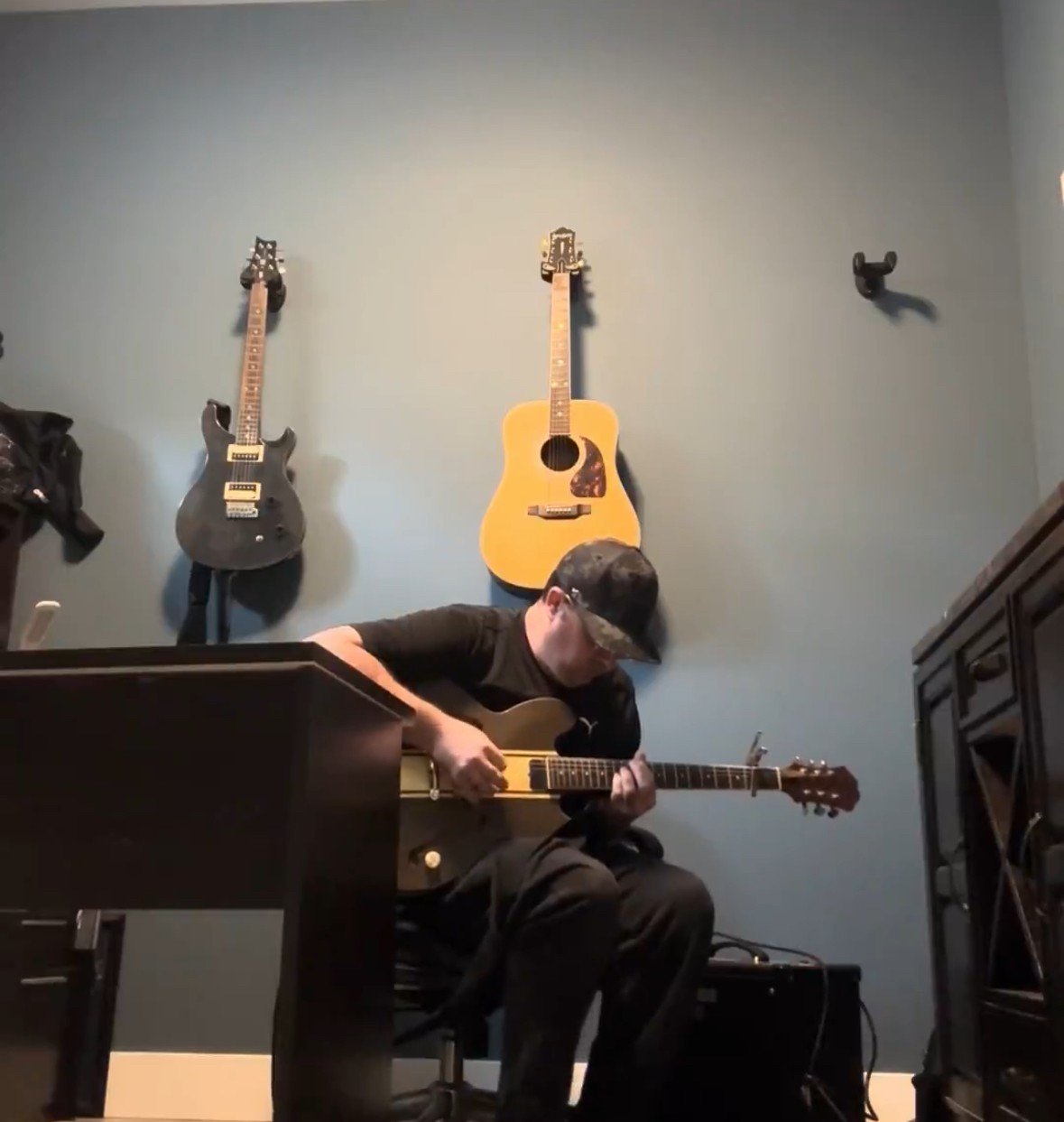
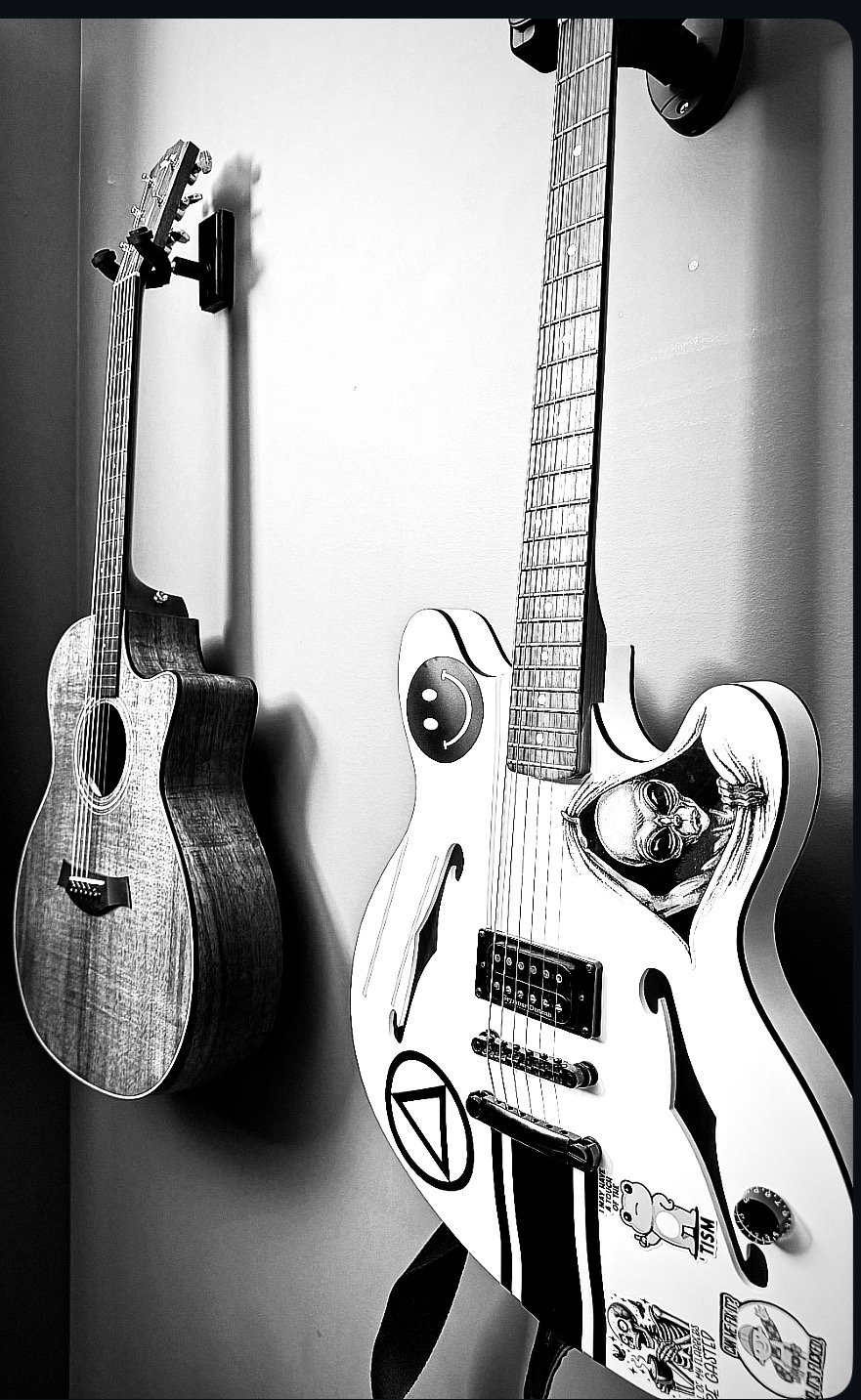
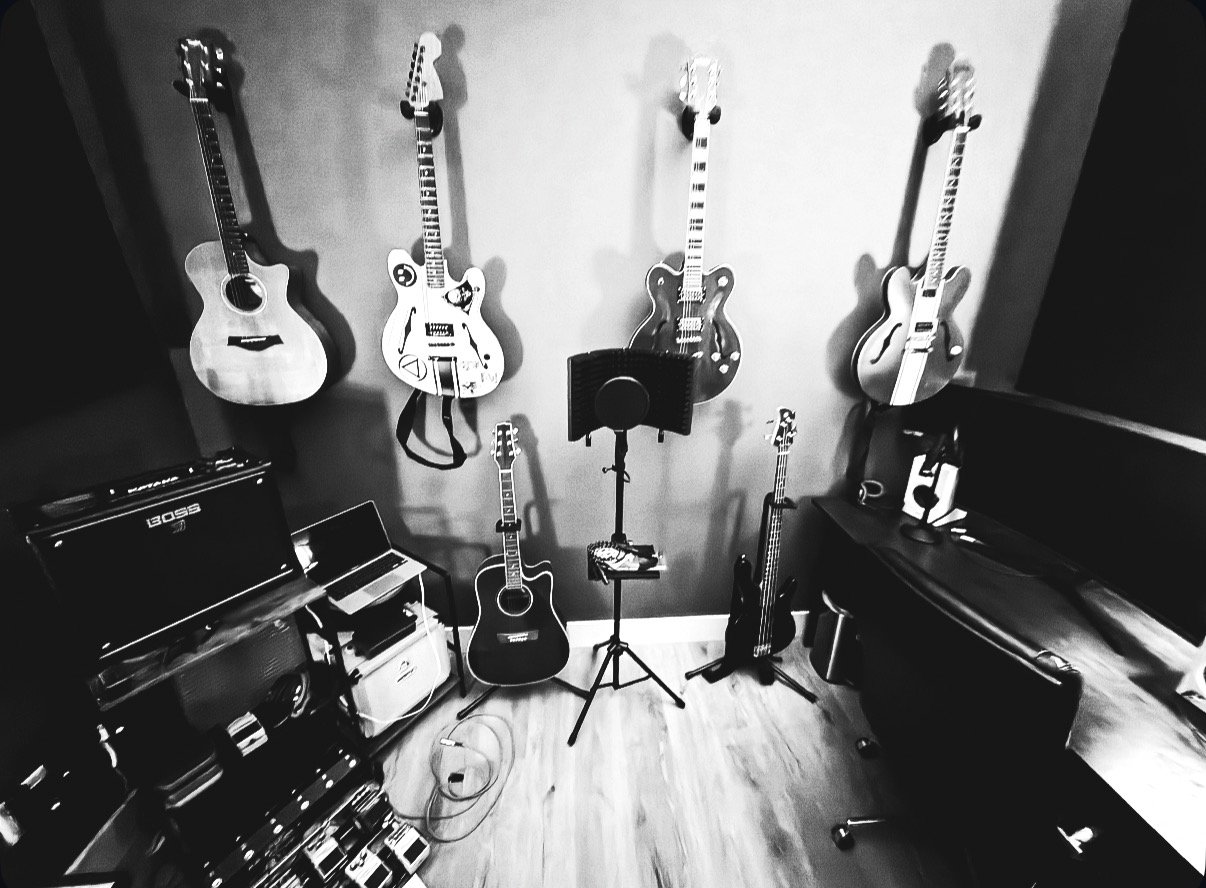
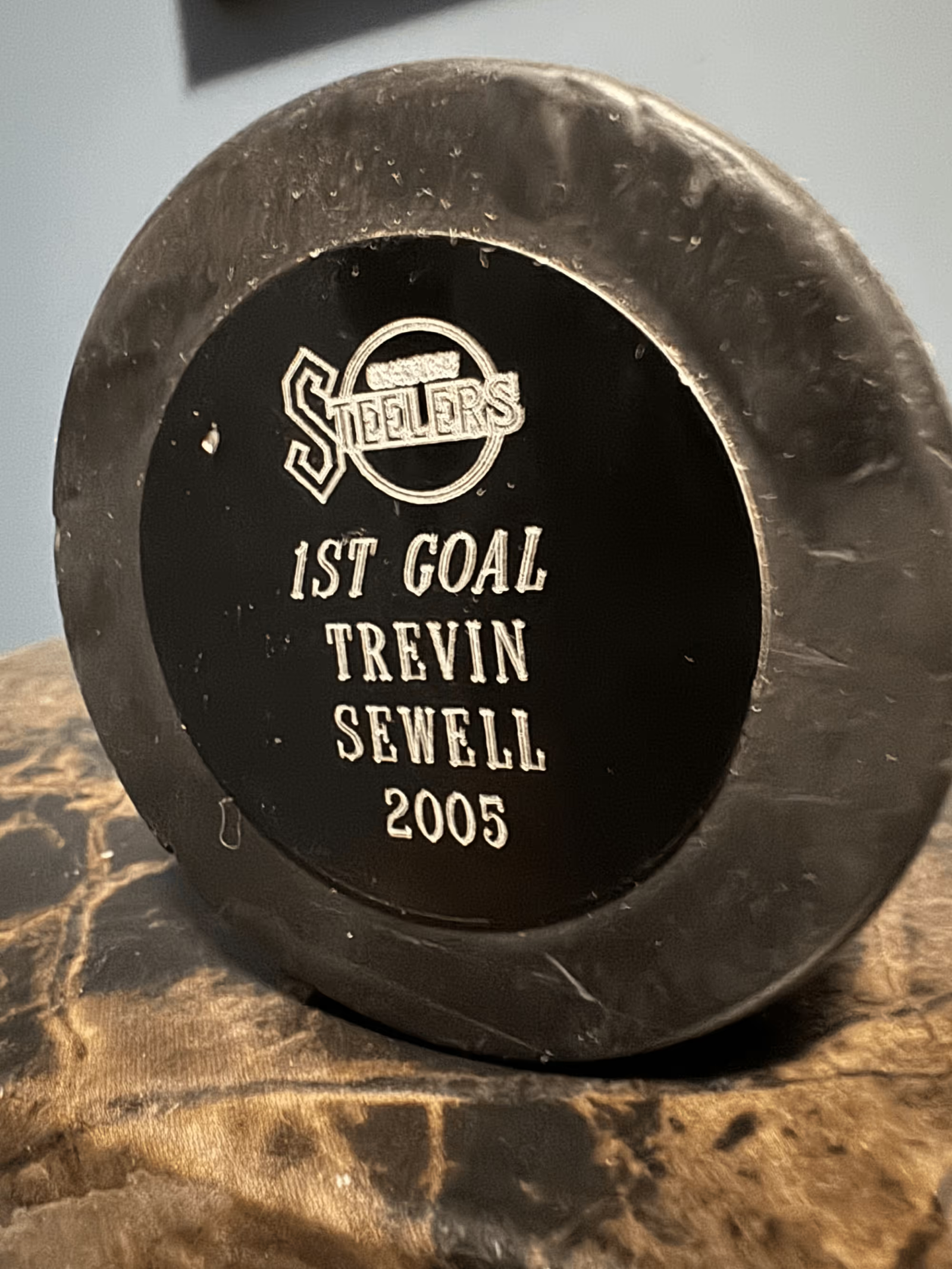
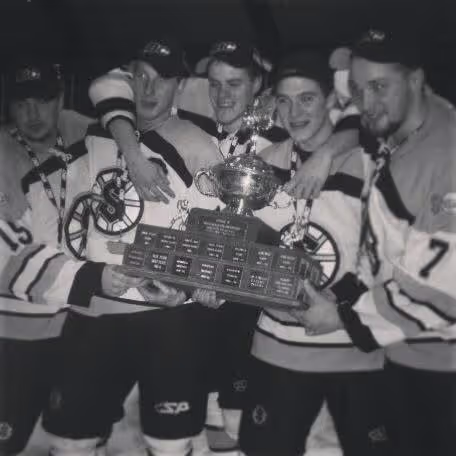
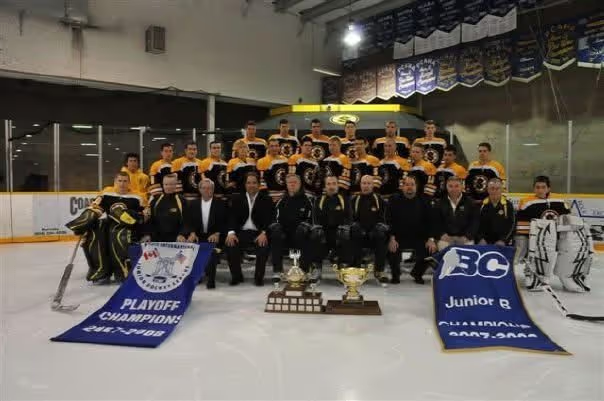
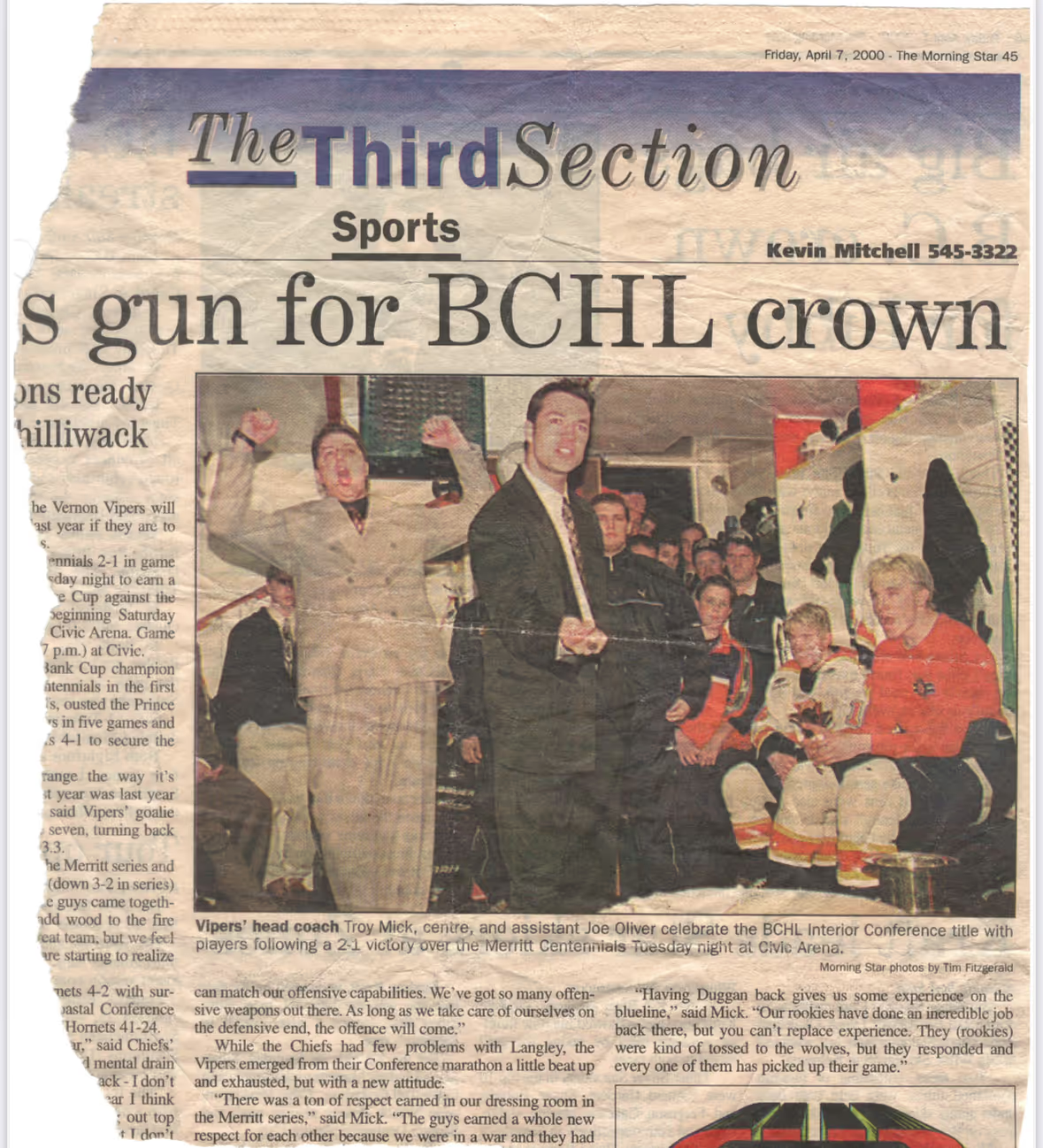
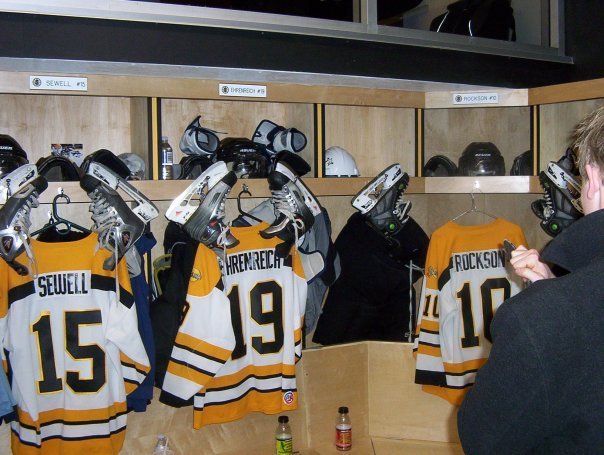
Skates. Bruises. Brotherhood.
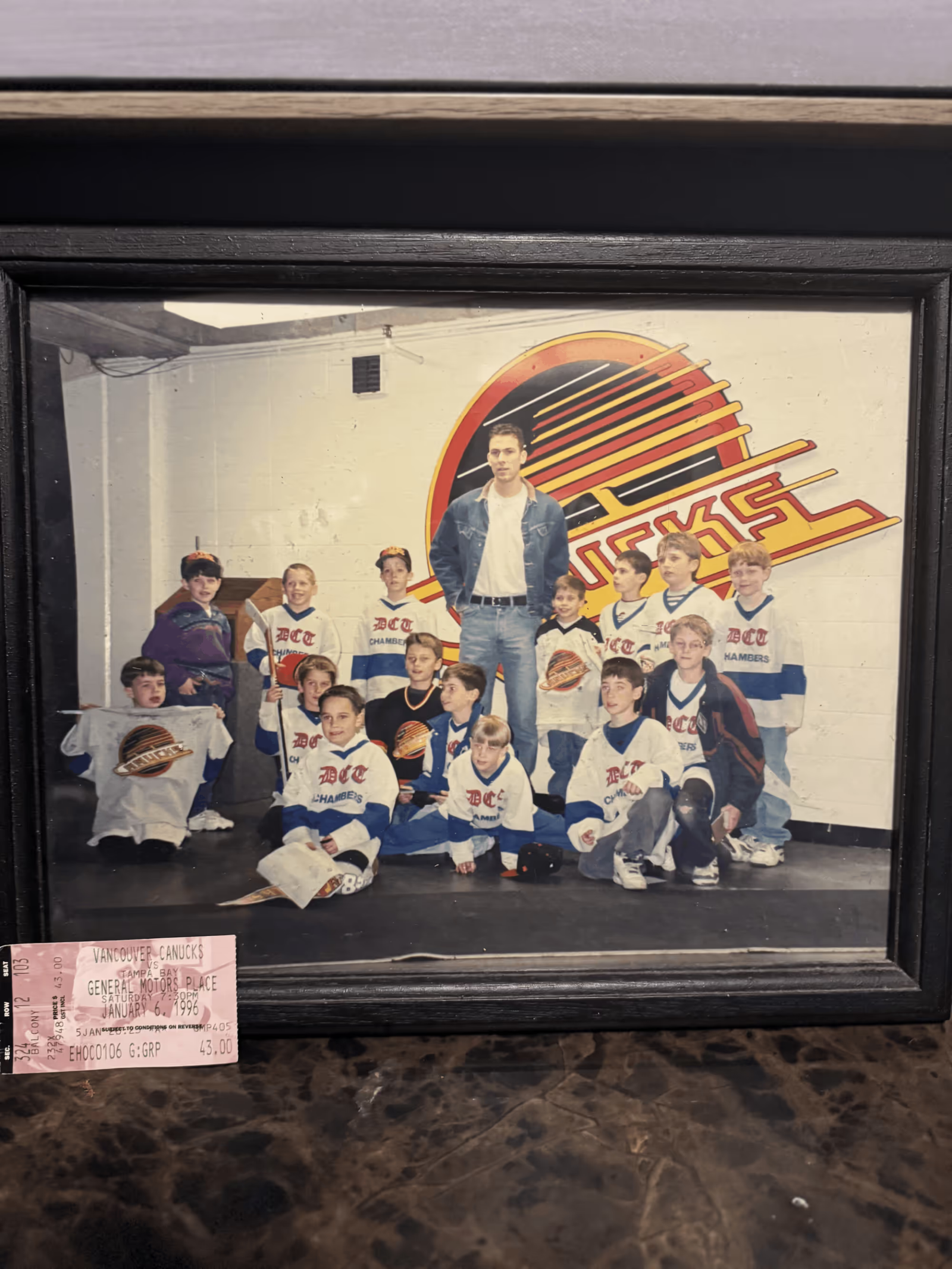
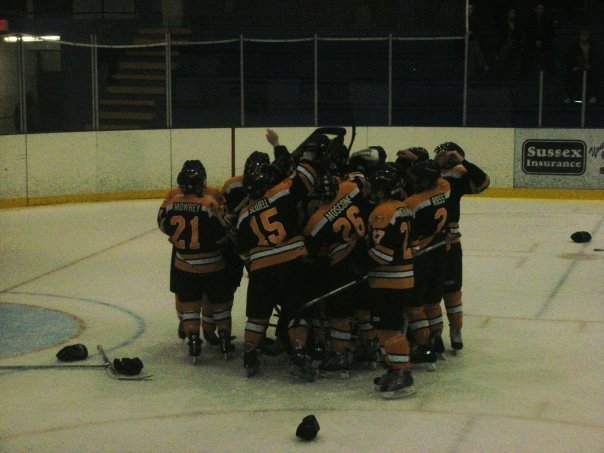
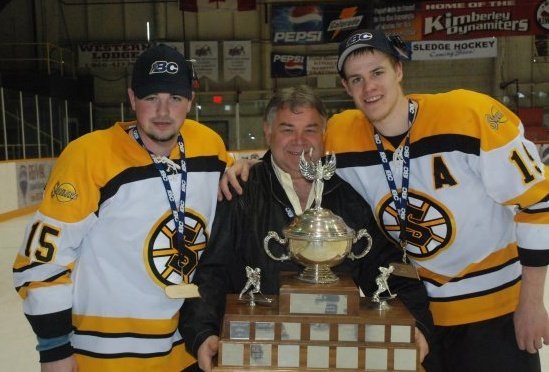
From player to coach, hockey has been a constant.
The game taught me how to show up, fall down, get back up, and keep going, every single time.Those lessons did not stay on the ice.