The Clues Were Always There: ADHD, Misdiagnosis, and a Lifetime of Unnecessary Struggle
For most of my life, I believed something was fundamentally wrong with me.
Not in a dramatic way. Just a quiet, persistent sense that I was out of step. That I was trying harder than everyone else just to keep up, and still falling behind. I was told it was anxiety. Then depression. Then maybe bipolar. Each explanation came with a new prescription. Each medication muted something inside me. My edges softened. My instincts dulled. Parts of me went quiet before I ever understood what they were trying to say.
Something never quite fit. Not just in how I experienced the world, but in how the world responded to me.
It took nearly 35 years to hear the word that finally made my life make sense. ADHD. Not the stereotype most of us grew up with. Not the disruptive kid bouncing off the walls. But a quieter form that hides in plain sight. Forgetfulness. Time blindness. Emotional intensity. Restlessness. Chronic overthinking. The kind that looks like coping from the outside and chaos on the inside. The kind that often gets missed.
Growing Up in the 90s: When ADHD Was a Joke or a Punishment
In the 1990s, ADHD was not a conversation. It was a complaint. It was something teachers rolled their eyes at or parents were warned about. It belonged to the kid who could not sit still or who acted out. If you were getting by on the surface, no one looked closer.
Kids like me were labelled instead. Lazy. Unmotivated. Too sensitive. Not paying attention. We were corrected and disciplined for things we could not explain. If we forgot something again, it was seen as carelessness or disrespect. If we drifted off, we were told to focus. If we reacted emotionally, we were told to toughen up. No one asked why these patterns kept showing up. No one thought to ask if there might be another explanation.
The Trauma of Being Misunderstood
Living undiagnosed leaves a mark. When every struggle is framed as a personal failure, you start to believe it. You question your own instincts. You stop trusting your reactions. You learn to mask, to push, to force yourself through life while quietly wondering why it feels so hard.
I chased relief wherever I could find it. At work. In relationships. In substances. In anything that offered a moment of quiet or clarity. When I crashed, the response was always the same. A new label. A new medication. Another attempt to treat the surface without understanding what was underneath.
Why Are We Still Missing It?
Awareness has improved, but we are still missing it. Not out of malice, but out of systems built for speed instead of depth. Short appointments. Quick checklists. Symptoms treated in isolation. Sadness becomes depression. Racing thoughts become anxiety. Emotional swings become mood disorders.
But what if the story is more connected than that. What if the overwhelm is executive dysfunction. What if the emotional crashes are dysregulation. What if the forgetfulness, the outbursts, the spirals are not separate problems, but parts of the same picture. A nervous system wired differently, doing its best in a world that expects sameness.
A Lifetime of Medications I Did Not Need
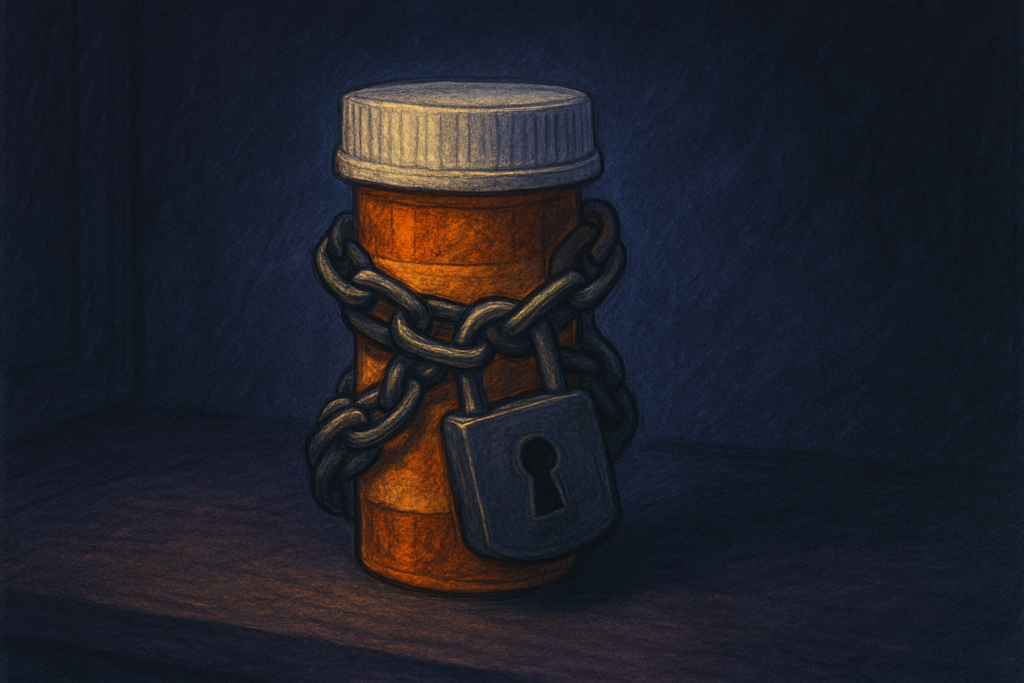
I spent years on medications that never addressed the root of what was happening. Antipsychotics. Mood stabilizers. Sleep aids. Combinations that left me foggy, numb, and disconnected from myself. They quieted symptoms, but they also quieted me.
What I needed was not another label layered on top of confusion. I needed someone to slow down. To listen. To connect the dots. To see the full picture. And maybe most of all, I needed understanding. From others, yes, but also from myself.
This is not about blame. It is about awareness. About recognizing how many people are still walking around thinking they are broken, when in reality they are misunderstood. If any part of this feels familiar, I hope it gives you permission to look deeper. To ask better questions. And to know that struggling does not mean you are failing. It might just mean you have been playing the game without knowing the rules.